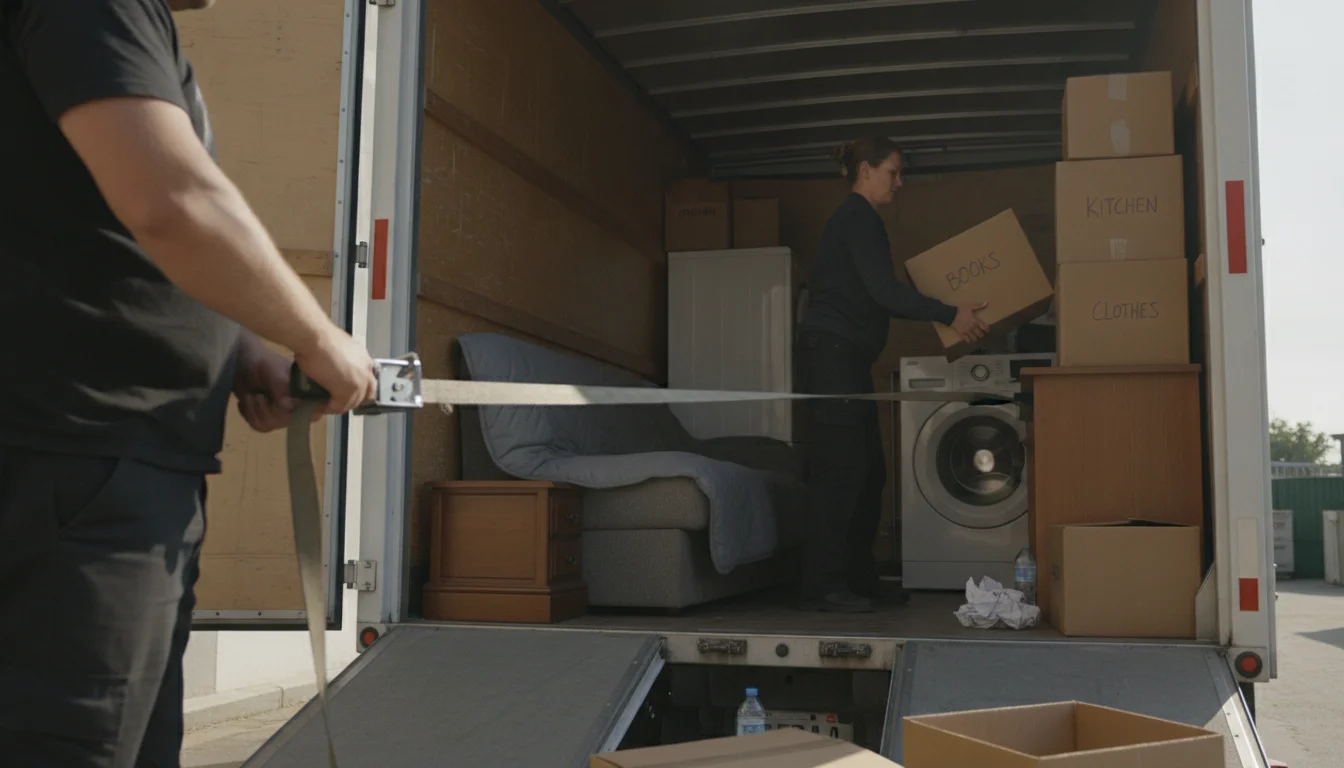
To master how to load a moving truck, pick the right truck size, gather straps and pads, then load heavy-to-light in secure layers while balancing the weight side to side. Protect fragile items with proper packing, and plan your pickup and return windows. This sequence keeps the load stable and your move in Wichita Falls safer.
## ## ## ## ## Table of Contents
- What size moving truck do I need?
- What gear and supplies aren’t included with a rental?
- How do you load a moving truck so nothing shifts?
- How should weight be distributed for safe driving?
- What’s the best timing for pickup, loading, and return?
- How do you protect fragile items, furniture, and the truck?
- Do I need help or can I DIY the load?
What size moving truck do I need?
Most homes fit in a 10–26 foot rental truck. A small studio often works with a cargo van or 10-foot truck, while larger homes need more capacity. Think in terms of volume instead of bedrooms. A well-sized truck means fewer trips, less hassle, and safer stacks that are easier to secure.
Cubic feet is the usable space inside the truck, measured by length × width × height. Start your estimate by counting large pieces first—sofas, mattresses, dressers, and appliances claim the most volume. Uniform boxes make efficient rows and fill the gaps around big items better than mixed bins. If you own many long pieces like bookcases or a sectional, consider sizing up for a smoother load.
### ### ### ### ### How to estimate cubic feet for your home
Begin with a practical rule: a fully packed room can consume notable space depending on furniture size and the number of boxes. Gauge your needs by the big items and the box count, and treat it as guidance rather than a certainty. Light but bulky pieces, such as patio cushions, take more room. Dense items like books compress space but add weight. When unsure, allow extra capacity so you can leave aisles for straps and safe access.
### ### ### ### ### When two trips beat one big truck
Two shorter runs can be smarter than one long truck in tight streets or small lots in Wichita Falls. Shorter trucks are easier to maneuver and park and can be more manageable in windy conditions. If the distance is short and traffic is predictable, two controlled trips can be better than cramming everything into a tall, top-heavy load. Factor in fuel, time, and your helpers’ availability.
What gear and supplies aren’t included with a rental?
A truck rental typically covers the vehicle only. Most do not include dollies, moving pads, straps, or protective covers. You’ll also need tape, stretch wrap, and sturdy boxes. These add-ons safeguard your items and streamline loading. Skipping them invites damage and delays—plan and reserve ahead, especially on busy weekends in Wichita Falls.
### ### ### ### ### Essential add-ons to reserve (dollies, pads, straps, covers)
A dolly is a wheeled platform or hand truck that helps move heavy pieces safely. A furniture dolly has a low, flat base for dressers and sofas. A hand truck is upright and great for stacked boxes and appliances. Moving pads (thick blankets) prevent scuffs. Ratchet straps and rope secure each layer. Mattress and sofa covers keep fabrics clean and tear-free. Corner protectors shield frames and table edges. A door jamb protector preserves entryways during tight turns.
### ### ### ### ### Optional upgrades that are worth it for longer moves
For longer drives, add load bars or e-track straps that lock into rails to brace each row. A ramp extension smooths tall thresholds. Shrink wrap keeps drawers shut and cushions together. A basic tool kit for removing table legs and detaching mirror frames saves space. Work gloves and forearm lifting straps reduce strain. A floor runner protects the truck deck and your floors at both locations. If you are traveling far from Wichita Falls, bring a spare strap and a few extra pads in case the plan changes.
How do you load a moving truck so nothing shifts?
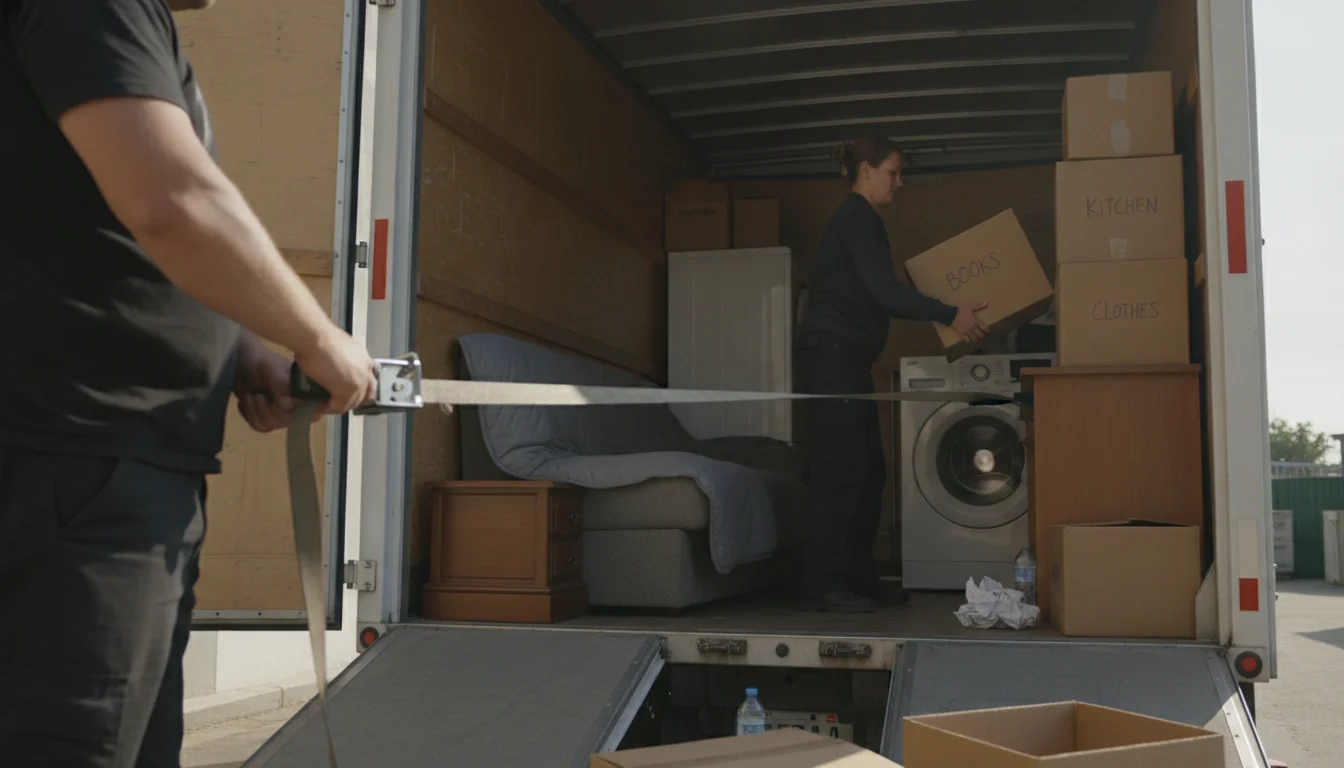
Load from heavy to light, floor to ceiling, and strap every layer. Place appliances and the heaviest furniture tight to the front wall. Pad gaps to prevent rub. Stack same-size boxes for stable columns. After each tier, strap it off before building higher. This rhythm keeps the center of gravity low and your load steady on the road.
### ### ### ### ### The ideal loading order from heavy to light
Start with the heaviest pieces: refrigerator (upright), washer, dryer, gun safe, and dressers against the front wall. Next, add sofas, armoires, and headboards. Stand mattresses on edge in protective sleeves. Build “shelves” with sturdy furniture, then place medium boxes on those surfaces and lighter boxes on top. Keep fragile boxes at eye level or higher to avoid crushing. Don’t bury essentials—label a few “first open” boxes and stage them near the door.
### ### ### ### ### Securing the load with straps, rope, and pads
Use a strap every 2–3 feet of height. Pad between wood and metal to prevent abrasion. Cross-strap tall items to stop sway during quick stops or bumps. Rope is fine for smaller bundles, but ratchet straps are stronger for wide rows. If you hit a pothole, a tight strap turns a potential cascade into a small shift. Recheck strap tension halfway through and again before you drive.
Step-by-step loading sequence
- Stage packed boxes by size and weight near the door.
- Lay floor runners and pad sharp corners.
- Load appliances and the largest furniture first, tight to the front wall.
- Strap this first layer, padding any contact points.
- Add medium furniture and heavy boxes, fill voids, then strap.
- Stack lighter boxes to the ceiling, keeping labels visible.
- Finish with cushions, lampshades, and last-open items near the door.
How should weight be distributed for safe driving?
Even weight makes the truck easier to steer and stop. Keep the heaviest items low and centered between the wheels. Avoid loading one side heavier than the other or stacking too much at the back. A balanced layout helps reduce sway, shortens stopping distance, and keeps your gear from shifting.
### ### ### ### ### Balancing front-to-back and side-to-side
Aim to keep a little more weight toward the front half of the box (near the cab) and avoid pushing the heaviest items to the rear. Balance side-to-side: if you place a bookshelf on the left, match it with a similar weight on the right. Pack heavy boxes at the base of stacks. If one stack rises higher than the other, move a medium box from the taller side to even it out.
### ### ### ### ### Common loading mistakes to avoid
Don’t stack heavy boxes on a mattress. Don’t leave tall furniture unstrapped. Avoid towers made from mixed sizes; they topple easily. Keep a clear aisle so you can add straps and make adjustments. Don’t block the ramp with last-minute items. And never load solvents, propane, or paint—most rentals prohibit hazardous materials for safety. Always check your rental contract and follow every rule.
What’s the best timing for pickup, loading, and return?
Plan move day by working backward from your return deadline. Confirm windows for pickup, loading, the drive, unloading, refueling, and cleanup. Add buffer time for traffic, elevators, and stairwells. A clear schedule reduces last-minute stress and helps you coordinate help from Loading & Unloading Help or Local Movers here in Wichita Falls.
### ### ### ### ### A realistic move-day timeline
Morning: pick up the truck early, do a quick walk-around, take photos, and note the fuel level. Back home, stage items by weight and by the pathway to the door. Late morning: load heavy items first, strap, and stack in layers. Afternoon: finish light boxes and fragile items. Early evening: drive to the new place, unload, refuel, sweep out the truck, and return it on time.
### ### ### ### ### How rental windows, fuel, and late fees work
Most rentals offer hourly, daily, or multi-day options. Return within the agreed window to avoid extra charges. Refill to the same level shown at pickup; snap a photo of the gauge and keep the receipt. Many contracts include mileage. Read your agreement carefully so you know pickup hours, drop-off procedures, and what to do if the office closes early. Build slack into your plan to avoid a last-minute rush in Wichita Falls traffic.
How do you protect fragile items, furniture, and the truck?
Fragile belongings require more structure. Use double-wall boxes for dishes and glasses. Wrap each piece, fill all voids, and mark the box clearly as FRAGILE. Shield furniture with pads and stretch wrap. Add corner guards to frames and mirrors. A padded floor runner protects the truck deck and the floors in both homes.
Packing fragile items the right way
For dishes and bowls, wrap each in packing paper, then stand plates on edge like records. Choose dish-pack boxes for extra strength. For glasses, stuff paper inside, wrap the outside, and place them upright in cells. Bubble wrap plates and framed art for added shock protection. Mark arrows so boxes stay upright. Keep fragile boxes at mid-height or higher—never at the bottom of a stack.
### ### ### ### ### Preventing scratches, dents, and floor damage
Cover wood and leather before moving. Remove table legs and hardware, bag the screws, and tape the bag to the piece. Use sliders or a dolly for heavy furniture to avoid gouges. In the truck, pad between metal rails and wood edges, and tape the pads so they don’t slip. At home, lay runners on stairs and tile. Take short, steady steps on ramps and have a spotter watch for hazards.
Do I need help or can I DIY the load?
DIY loading works for many moves, but an extra set of hands speeds things up and reduces risk. If you have stairs, tight hallways, or a lot of bulky furniture, consider moving labor for loading only. Pros arrive with dollies, straps, and a plan—and they know safe lifting technique. A few hours of skilled help can make move day smoother.
### ### ### ### ### When to hire moving labor for loading only
Bring in help if you have unusually heavy or awkward items, such as a piano, safe, or oversized sectional. Book Same-Day & Last-Minute Movers if plans change unexpectedly. Apartment Movers understand elevators and parking rules. For bigger homes, Residential Movers or Local Movers can stage and load while you handle keys, pets, and kids. Ask Wichita Falls Texas Movers about local loading help and guidance on local rules, from parking signs to quiet hours.
Frequently Asked Questions
How long does it take to load a truck?
Most small apartments take 2–4 hours with two helpers. A full house can take most of the day. Timing varies with stairs, walking distance, and how well items are packed and staged.
How should I pack dishes so they do not break?
Wrap each dish in paper, stand plates on edge, fill gaps with crumpled paper, and label the box. Use dish packs or double-wall boxes. Keep fragile boxes at mid-height and avoid stacking heavy items on top.
What is the right way to bubble wrap plates?
Place a sheet of bubble wrap on the table, set the plate face down, wrap it fully, and tape the seam. Pack wrapped plates vertically in a sturdy box with cushioning at the bottom and top.
Can I DIY without a dolly?
Yes, but it’s harder and riskier. A dolly reduces strain and saves trips. If you must go without one, disassemble items when possible, slide on blankets, and team-lift heavy pieces with clear communication and rest breaks.
Who provides moving and storage solutions near me?
Many companies offer moving labor, truck loading, and short-term storage. In Wichita Falls, look for Loading & Unloading Help, Local Movers, or Long Distance Movers, and check reviews. Wichita Falls Texas Movers can coordinate labor-only loading or full-service support.
## ## ## ## ## Safety tips to prevent injuries and strain
Warm up with a short walk and light stretches. Lift with your legs, not your back. Keep the load close to your body and maintain a neutral spine. Wear gloves for grip. Take water breaks. Clear pathways before lifting. Use a spotter on ramps and stairs. If something feels too heavy, stop and get help. People first—belongings can be replaced.
## ## ## ## ## Key takeaways
- Choose the right truck size for your volume and leave room for straps and aisles.
- Load heavy to light, strap each layer, and balance weight side to side.
- Protect fragile items with double-wall boxes, paper, bubble wrap, pads, and covers.
- Plan your timeline from pickup to return and allow buffer time for traffic and elevators.
- Wichita Falls Texas Movers can provide local loading help when you need extra hands.
Conclusion
Moving is a major task, but a step-by-step plan makes it manageable. Select the correct truck size, add the gear your rental doesn’t include, and build the load in even, strapped layers. Balance the weight, protect fragile items, and follow a realistic timeline. If your move grows or you want professional backup Wichita Falls Texas Movers is ready to help with Loading & Unloading Help or Local Movers across the area.
If you are not sure which of these you are dealing with, it is worth having someone look at it before it turns into a bigger job. Get in touch with Wichita Falls Texas Movers today and we will tell you where you stand.