A clear pack list moving out gives first-time renters a simple plan. It helps you sort documents, pack room by room, protect fragile items, and get a first night box ready. With a written checklist, your move in Wichita Falls feels calmer, more organized, and easier to unpack at the new place.
Moving out for the first time can feel big and scary. There are forms to sign, boxes to fill, and many adult tasks to remember. A good moving checklist breaks that stress into small, easy steps. This guide is for renters, students, and anyone moving from the family home into a new space in Wichita Falls or anywhere else in Texas.
Wichita Falls Texas Movers helps people plan smoother moves with smart packing, loading, and transport. This guide is a master template you can print, copy, or save on your phone. Adjust each part to match your life, your stuff, and the time you have before moving day.
Table of Contents
- Why do you need a pack list when moving out for the first time?
- What should go on your essential documents and admin pack list?
- What do you need for your first night box when moving out?
- How do you create a room-by-room pack list for a first apartment?
- What belongs on a cleaning and move-out condition checklist?
- How should renters pack fragile, bulky, and awkward items safely?
- How do you customize your pack list moving out for your lifestyle?
- Key takeaways
- Frequently Asked Questions
- Conclusion
Why do you need a pack list when moving out for the first time?
A packing list is more than notes on a scrap of paper. It is a simple plan for your whole move. Without it, first-time movers often forget basics, overpack the wrong things, and feel rushed on moving day. With a list, they can pack in order, stay calm, and unpack faster.
Many new renters think they will “just remember” what to bring. In real life, this often means no shower curtain, no trash bags, or no power strip for the Wi‑Fi. People also forget key documents, like the lease, which can cause stress when getting keys or talking with the landlord.
Common mistakes without a checklist include bringing lots of clothes but no hangers, packing kitchen tools but skipping basic food, or boxing up items that should be donated. Some renters even pack must-have items at the bottom of a stack, so they cannot find them on the first night.
A pack list breaks the move into small groups: documents, first-night items, each room, and cleaning supplies. First-time movers can check off items over a week or two instead of trying to pack in one long, tiring night. This helps cut the risk of injury from rushed lifting and carrying.
A clear list can also help renters decide when to do it alone and when to hire Apartment Movers, Residential Movers, or Local Movers for the heavy work. Wichita Falls Texas Movers can help renters turn a simple checklist into a real plan for packing, loading, and settling into a new home.
What should go on your essential documents and admin pack list?
Important papers and admin tasks should stay with you, not in the back of a moving truck. These items prove who you are, where you live, and what you agreed to in your lease. Keep them in a folder, binder, or zip bag that stays in your backpack, purse, or car.
Must-have documents to keep with you:
- Current photo ID (driver’s license or state ID)
- Social Security card and birth certificate (if needed)
- Lease agreement for the new place
- Move-in inspection or checklist from your landlord
- Old lease and any emails about ending it
- School or work paperwork tied to your move
- Moving contracts from Long Distance Movers or local movers
Keep any payment records, such as security deposit or first month’s rent receipts, together with your lease. For many renters, email is enough, but printing the most important pages can help if your phone dies or the building has no service.
Next, plan your digital prep. Make a short list of accounts that need your new address: bank, credit cards, payroll, online stores, and any renter’s insurance. The United States Postal Service lets you set up mail forwarding online, which helps catch mail you forgot to change.
Many renters also forget to update streaming, food delivery, and ride share apps. These may not be urgent, but fixing them early can avoid mistakes in the first week. Take photos of your IDs, lease, and deposit records and save them in a secure cloud folder as a backup.
Moving from a family home? Add a note to call your old utility accounts, if any are in your name, so you are not billed after you move out. A simple admin pack list makes it much easier to solve problems if something goes wrong.
What do you need for your first night box when moving out?
A first night box is one box or suitcase that holds everything you need for the first 24–48 hours. It keeps you from digging through every box just to take a shower, change clothes, or make a simple meal. Pack it last and open it first.
For personal items, think about a short trip. Pack:
- Two changes of clothes and sleepwear
- Basic underwear and socks
- Your daily toiletries (toothbrush, toothpaste, face wash, deodorant)
- Any medicines or medical devices
- Phone, charger, and a power strip
- A small towel and washcloth
- Comfort items like a favorite pillow or blanket
Next, plan for the kitchen and simple food. You do not need a full pantry right away. Pack a few easy items: snacks, instant meals, or things that do not need much cooking. Add a water bottle, a mug, one or two plates, a fork, spoon, knife, and a small pan if you like to cook.
Do not forget a few basic cleaning and comfort items. Trash bags, paper towels, all-purpose cleaner, and toilet paper can save the day. A flashlight or small lamp helps if light bulbs are missing. If you have pets, include their food, bowls, and leash in this box so you can care for them right away.
Label the box clearly as “First Night” on every side. Keep it with you in your car or make sure movers load it last so it comes off first. Many renters say this is the one part of their pack list moving out that makes the new place feel like home right away.
How do you create a room-by-room pack list for a first apartment?
A room-by-room list helps first-time renters see what they already own and what they can wait to buy. It keeps the move focused on must-haves, not on every cute item seen online. Start with the rooms you will use right away: bedroom, bathroom, kitchen, and a small living area.
Bedroom, bathroom, and living room basics most first-time renters forget
The bedroom is key for rest after a long move. Plan for:
- Mattress and simple frame or base
- Sheets, pillowcases, pillows, and blanket
- Hangers and a laundry basket
- Small lamp or bedside light
In the bathroom, renters often forget small items. Add:
- Shower curtain, liner, and rings
- Bath mat so the floor does not get slippery
- Extra toilet paper and hand soap
- Plunger and small trash can
For the living room, you do not need to fill the space on day one. A simple setup might be:
- Basic seating (sofa, futon, or a couple of chairs)
- Small table or coffee table
- Power strip and extension cord
- TV or laptop setup, if you use one
Kitchen and dining items to pack now versus buy later
The kitchen is where many new renters overpack. Start with tools you will really use in the first month:
- One medium pot and one pan
- Spatula, spoon, and cutting board
- Sharp knife for cooking
- Plates, bowls, cups, and basic silverware
- Dish soap, sponge, and drying towel
Plan to buy later:
- Fancy gadgets you rarely use
- Large sets of matching dishes
- Extra bakeware and serving platters
This step-by-step list lets you see if you should move a big couch or wait and measure the new space first. It can also guide talks with Furniture Movers if you decide to hire help for heavy pieces.
What belongs on a cleaning and move-out condition checklist?
A cleaning and condition checklist protects your security deposit and keeps things fair between you and your landlord. It covers both the place you are leaving and the one you are moving into. The goal is to note how each home looks and make clear what you cleaned.
First, gather cleaning supplies you will pack and bring:
- All-purpose cleaner and glass cleaner
- Microfiber cloths or old T-shirts
- Broom, dustpan, and mop or floor wipes
- Sponges and scrub brush
- Trash bags and paper towels
If you are moving across town, you can often do a final cleaning after the truck is loaded. For longer moves, plan ahead so you are not scrubbing at midnight before a long drive. Some renters choose to hire a cleaner, but many can handle basic tasks themselves.
Next, create a move-out condition checklist for each room:
- Check walls for holes or marks, and patch small nail holes if allowed
- Wipe baseboards, window sills, and shelves
- Clean inside appliances, like fridge, oven, and microwave
- Vacuum or sweep and mop all floors
Take clear photos or a short video of each room once it is empty and clean. Do the same when you arrive at your new place, noting any damage you did not cause. Many leases include a move-in inspection form, so fill it out and keep a copy for your records.
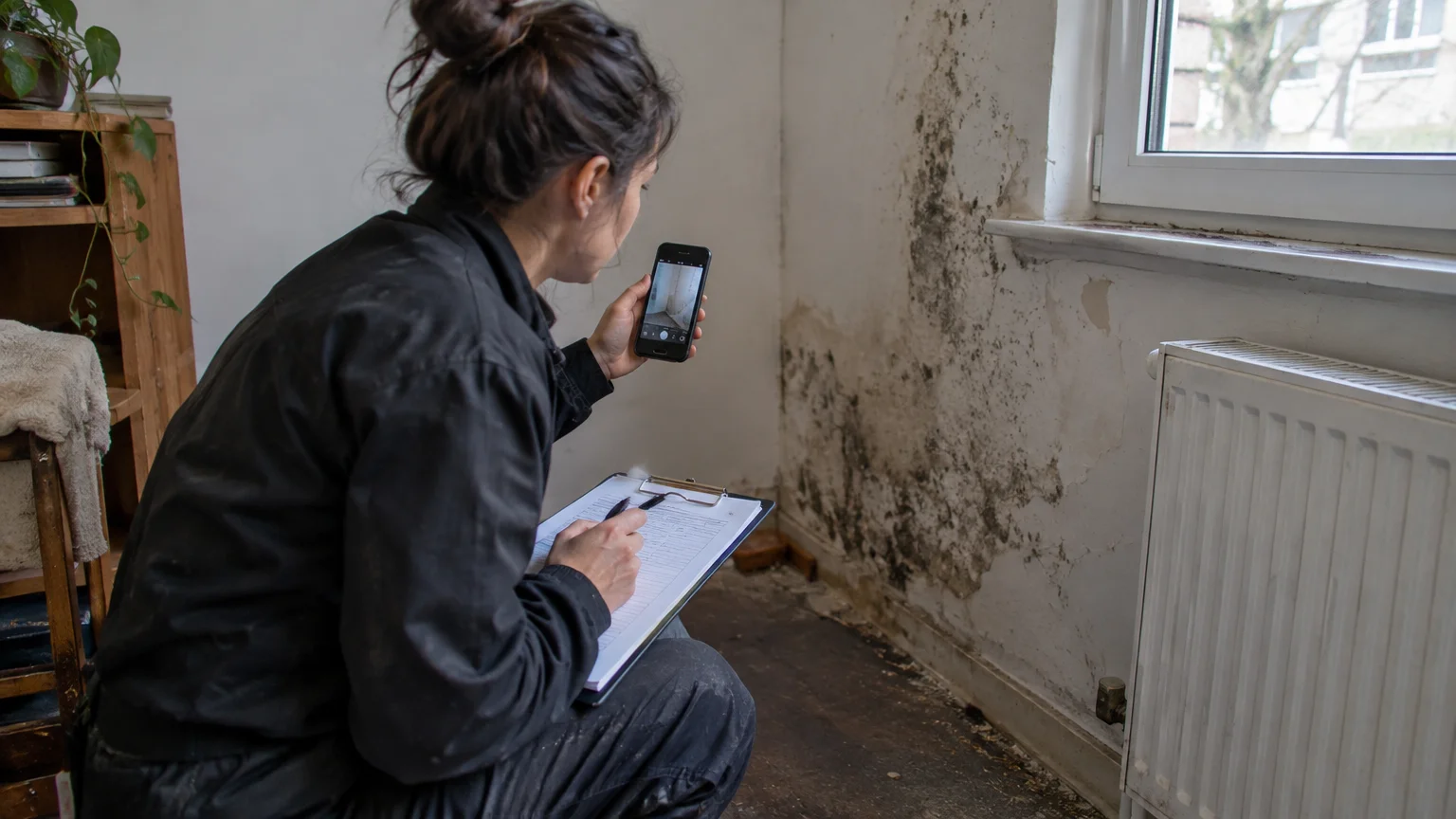
If something big is wrong, such as mold or broken locks, tell your landlord in writing as soon as you can. A careful cleaning and condition list now can prevent hard talks about money later.
How should renters pack fragile, bulky, and awkward items safely?
Fragile and bulky items need extra care so they arrive in one piece. This is where a little planning, the right supplies, and smart loading really matter. Some renters handle this on their own, and others choose professional movers for heavy or complex items.
Supplies and packing techniques for breakables and electronics
For dishes, glasses, and decor, gather:
- Sturdy boxes in different sizes
- Bubble wrap or foam sheets
- Packing paper or plain newsprint
- Tape and a thick marker
Wrap each fragile item on its own. Place heavier pieces at the bottom of the box and lighter ones on top. Fill empty spaces with paper so items cannot slide. Mark each box FRAGILE and note which room it belongs to.
Electronics like TVs, game systems, and computers do best in their original boxes. If you do not have them, wrap screens in soft cloth or bubble wrap and stand large screens upright, not flat. Unplug and pack cords in labeled bags so you know which cable goes where when you set up again.
Packing strategies for furniture, decor, and odd-shaped belongings
For furniture, take apart what you can. Remove table legs, headboards, and shelves. Keep screws and small parts in labeled bags taped to the main piece. Wrap corners with padding to avoid dents in walls and door frames.
Odd-shaped items like lamps, plants, or sports gear should be wrapped and packed snugly so they do not roll or bump during travel. Use towels or blankets as extra padding if you run low on packing materials.
Heavy lifting is where many first-time movers get hurt. When in doubt, ask friends for help, use a dolly, or hire Furniture Movers or Residential Movers. Saving your back is worth it, especially on a long moving day.
How do you customize your pack list moving out for your lifestyle?
Every renter’s life looks a little different. Students, remote workers, and pet owners all need extra items that matter to them. Your pack list moving out should match your real daily routine, not what you think a “perfect” apartment should have.
Adapting your checklist for students, remote workers, and pet owners
Students may want to add:
- Backpack, notebooks, and pens
- Student ID and class schedule
- Simple desk or study spot
Remote workers should plan for:
- Laptop, monitor, and charger
- Desk and chair that feel good for long hours
- Surge protector and strong Wi‑Fi setup
Pet owners need to pack:
- Food, treats, and toys
- Bed or crate and clean-up bags
- Vet records and tags with the new address
Thinking through your typical day helps you list what truly matters.
What to sell, donate, store, or leave behind before moving day
Not everything needs to come with you. Moving is a great time to sort your stuff. Make four groups:
- Keep: Use often and love
- Sell: Worth money but no longer needed
- Donate: In good shape for someone else
- Recycle or trash: Broken or worn out
If you are moving to a smaller place in the Wichita Falls area or planning to share with roommates, you may choose to store some items. Think about how much space you will really have and what you can live without for a while. Bulky items that do not fit your new lifestyle might be better to sell.
For long-distance moves, cutting down your load can make travel easier to plan with Local Movers or Long Distance Movers. A focused, honest look at your belongings now sets you up for a cleaner, simpler start in your new home.
Key takeaways
- A clear pack list turns a big move into small, easy steps.
- Keep documents and first-night items with you, not in the truck.
- Pack room by room so you see what you need and what can wait.
- Protect fragile and bulky items with the right supplies and help.
- Customize your checklist to your lifestyle, and let go of extra stuff.
Frequently Asked Questions
What should I pack first when moving out for the first time?
Start with rarely used items, decor, and off-season clothes. Then pack books, extra dishes, and storage items. Keep daily essentials and your first night box for last. Using a simple moving checklist helps you work in stages instead of rushing at the end.
How many boxes do I need for a small apartment?
The number of boxes depends on how much you own, how many rooms you have, and how many bulky items come with you. Focus on sorting first. Declutter, donate, or sell what you do not need, then get boxes a bit at a time so you do not overbuy.
Do I need professional movers for my first apartment?
Not always. Many renters can handle small moves with friends, a borrowed truck, and smart packing. Professional movers are helpful for stairs, tight spaces, heavy furniture, or long-distance moves. They also lower the risk of damage or injury when lifting big items.
What should I not pack in the moving truck?
Do not pack important documents, daily medicines, or high-value items in the truck. Keep cash, checkbooks, jewelry, and laptops with you. Also avoid packing open liquids or cleaning chemicals that might spill. These can leak on other items and create a mess.
How early should I start my pack list moving out?
Most first-time movers do well when they start a simple list four to six weeks before moving day. Begin with documents and decluttering, then pack a little each week. The more you spread out the work, the less stressful your actual move will feel.
Conclusion
Moving out for the first time is a big step, but a clear pack list moving out makes it easier. From documents and first-night needs to room-by-room basics and fragile items, planning ahead keeps stress low and boxes organized. Contact us to plan your move with Wichita Falls Texas Movers and get helpful support from packing to delivery in and around Wichita Falls.